

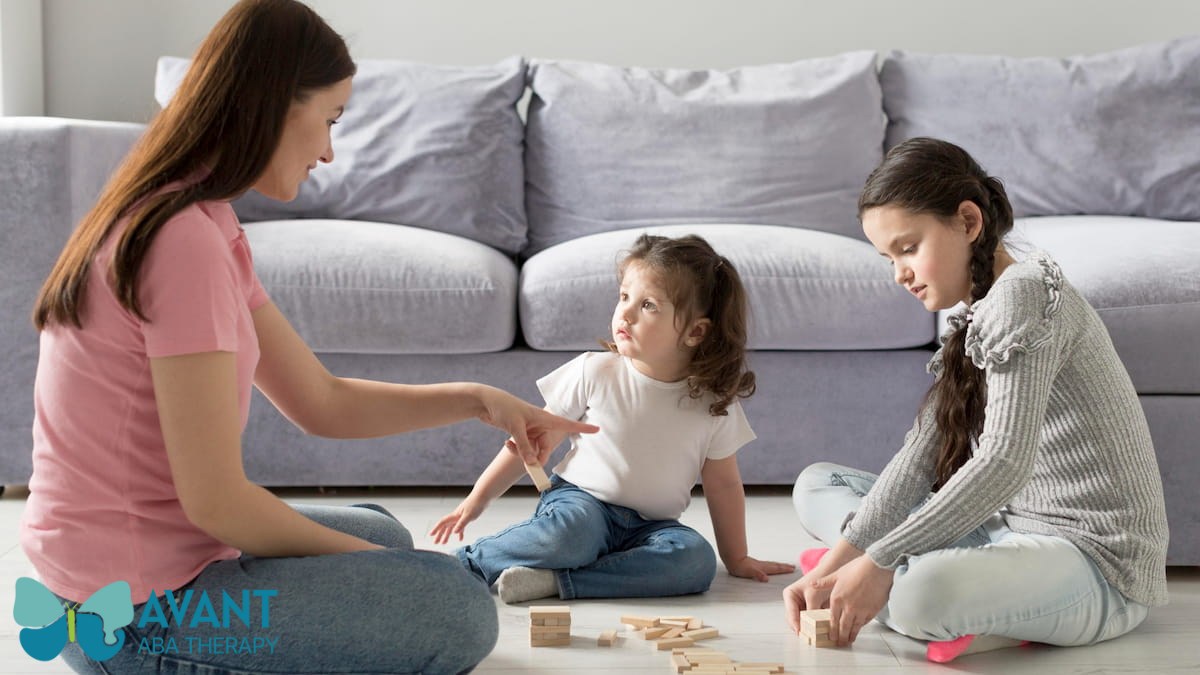
Key points:
- Siblings often want to help but may not know how, and gentle ABA support for siblings brings everyone closer together at home.
- Small, planned moments work better than long sessions when teaching brothers and sisters about autism and therapy routines.
- Family-wide guidance from your provider helps every child feel seen, valued, and part of the journey forward together.
Bringing in ABA therapy changes everyone’s rhythm, not just your autistic child’s. Brothers and sisters watch closely. They notice the new schedules, the special words, the moments of celebration. Some siblings want to jump in straight away. Others pull back, unsure of their place.
You can shape this. With a bit of planning, ABA support for siblings turns therapy into something that brings your family together rather than splitting attention. Done well, brothers and sisters grow more empathetic, more patient, and often closer to their sibling than you’d expect. Solid ABA parent tips and strategies make this easier from day one.
This guide walks through small, real-life autism family support strategies that fit busy households. We’ll cover how to talk to siblings about ABA therapy, ways they can play a role without feeling burdened, and how to keep your relationship with each child strong. Strong ABA support for siblings comes from steady, simple actions over time.
Why Sibling Involvement Matters
Brothers and sisters spend more time with your autistic child than almost anyone outside the family. They watch the daily ups and downs. They see the wins your therapist might miss. That makes them quiet but powerful supporters of progress.
When siblings understand what’s happening, they stop guessing. They feel less left out. Studies on families living with autism show siblings often carry stress they don’t talk about. Autism family support strategies that include brothers and sisters can lower that stress and build real resilience over time.
You’ll also notice your autistic child benefits. Practising skills with a brother or sister feels natural. It’s not a session. It’s family. That kind of practice often sticks better, and it’s a core part of ABA support for siblings done well.
A few things siblings bring to the table:
- A real-world playmate for social practice
- Patience that grows with shared time
- Insights about behaviour you might overlook
- Long-term friendship as your kids grow
For more on what therapy looks like in your home, see our in-home ABA therapy page and what families can expect during a typical week.
How to Talk to Siblings About Therapy
Kids notice everything. If you avoid the topic, they fill in blanks with their imagination. That rarely ends well. Honest, age-appropriate conversation builds trust and helps your other children understand what’s going on. This is one of the simplest ABA parent tips and strategies you can put into practice this week.
Match the Conversation to Their Age
A four-year-old needs short, simple words. Try something like, “Your sister is learning how to use her words. Her teacher comes to help.” A ten-year-old can handle more. Explain what autism is, how ABA works, and why you’ve chosen this path.
Don’t lecture. Talk in small moments. Bedtime, car rides, dinner. Drop a bit of info, let them ask, and stop when they’ve had enough.
Answer Questions Honestly
If your child asks, “Will my brother always need help?” don’t dodge. Give a real answer. “Maybe for some things. Other things he’ll do on his own. We’re not sure yet, and that’s okay.” This kind of honesty is part of strong parent-focused therapy guidance.
Children handle truth better than half-answers. They remember when you take their questions seriously.
Easy Ways Siblings Can Take Part

You don’t need to assign jobs. Most siblings want to feel useful without feeling stuck in a helper role. Offer choices, not chores. Steady in-home ABA therapy guidance from your provider can suggest age-fit roles for each child.
Bring sibling engagement in autism support into daily life:
- Invite them to play a quick game during a session, with the therapist’s okay
- Let them pick a song for transitions or routines
- Ask them to model a skill like sharing or taking turns
- Have them help pack the snack reward bin
- Encourage them to celebrate wins together as a family
Keep it light. If a sibling says no, respect that. Forced involvement breeds resentment. In-home ABA therapy guidance works best when every child feels they have a choice. You can find more session-day details in our piece on the first in-home ABA therapy session. Steady sibling engagement in autism support grows from small, repeated invitations like these.
Making One-on-One Time a Priority
This is the piece many families miss. ABA takes time, attention, and energy. Brothers and sisters can start to feel invisible. Even when they don’t say it out loud, they feel it.
Plan dedicated one-on-one time with each child. It doesn’t have to be big. Twenty minutes after school. A trip to the shop together. Reading at bedtime. The point is that your other child has space that’s just theirs.
If you have a partner, take turns. One parent handles a session, the other takes the sibling out. If you’re solo parenting, lean on grandparents or friends now and then. ABA parent tips and strategies often miss this part, but it matters as much as any therapy goal. Real autism family support strategies leave room for every child.
Quick one-on-one ideas that work:
- Walks without phones
- Cooking a small recipe together
- Watching their favourite show with no distractions
- A trip to the library, just the two of you
Looking at quality autism programs in North Carolina? Ask providers how they support siblings, not just the child receiving therapy services. The best autism programs in North Carolina treat the whole family as part of the team.
Common Sibling Worries and How to Address Them
Siblings often carry concerns they don’t share. They worry about their brother or sister, but also about themselves. Will I get autism too? Why does she get more attention? Do I have to take care of him when we grow up?
Notice these worries before they grow. Watch for changes in mood, school performance, or sleep. If your child suddenly pulls back, ask gently what’s on their mind.
Talk openly about the future when they ask. Reassure them that they’re not responsible for their sibling’s care alone. Acknowledge that sometimes life feels unfair, and that’s a normal thing to feel. Reading about how in-home ABA therapy supports your child can also help older siblings understand more deeply. This is where sibling engagement in autism support pays back in trust.
For some kids, a chat with a counsellor or sibling support group helps. It gives them space to talk away from family ears. Practical sibling engagement in autism support includes making room for these outside conversations too. Solid autism programs in North Carolina often point families to these local groups, and you can find more on our family resources page.
Building Bonds Through Shared Skills
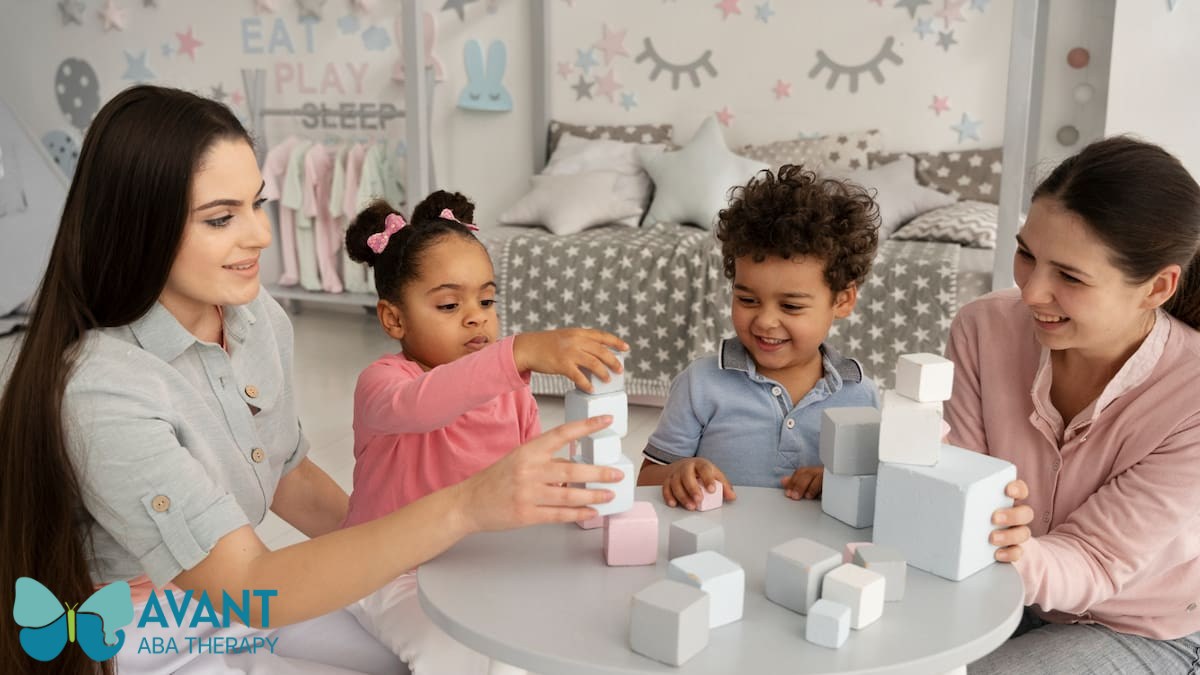
One of the quiet gifts of growing up with an autistic sibling is learning new ways to connect. Communication looks different. Play looks different. Patience grows. Brothers and sisters who get steady in-home ABA therapy guidance early on tend to ride these differences with grace.
Shared activities matter most. Cooking together. Playing a simple board game. Doing a craft side by side. These small moments build child social development through ABA in a real, lived way. Skills don’t grow in a vacuum. They grow in the back-and-forth of family life. Quality child social development through ABA supports both the autistic child and the siblings beside them. Our home therapy approach makes plenty of room for this kind of shared practice.
Celebrate small connections out loud. “I love how you waited for your sister to finish.” Specific praise reinches the moment. Brothers and sisters notice when you notice them.
Frequently Asked Questions
At what age can siblings start helping with ABA therapy?
Even toddlers can model behaviour, though formal involvement works best from around four or five. The key is matching the role to your child’s age and personality. Solid ABA support for siblings respects each child’s pace.
How do I keep my other kids from feeling left out?
Carve out one-on-one time each week. Celebrate their wins too, not just therapy wins. Make sure each child has activities, hobbies, and friendships that are completely their own and unrelated to therapy.
Should siblings attend therapy sessions?
Sometimes yes, with your therapist’s input. Short visits or specific activities work well. Long observation isn’t useful and can make brothers and sisters feel like outsiders in their own home.
What if my child resents their autistic sibling?
This happens more than parents admit. Acknowledge their feelings without judgement. Find a counsellor if needed. Resentment usually softens when the sibling feels seen and supported on their own terms.
Can ABA therapy help my whole family, not just my autistic child?
Yes. Good programmes include family training. Skills like communication, structure, and child social development through ABA ripple out to brothers, sisters, and parents over time, lifting the whole household.
Brothers, Sisters, and Better Days Together
A close family doesn’t just happen. It grows when every child feels seen, heard, and valued. When siblings understand and help in ways that match their age, ABA support for siblings builds a stronger bond and lifts everyone’s mood at home. Small steps lead to big change for the whole family.
At Avant ABA, we believe therapy works best when the whole family is part of the plan. Our team partners with parents and siblings alike, sharing tools that fit your home and your kids’ personalities.
Contact us to find out how our family-centred approach to ABA support for siblings can bring more calm, connection, and growth into your home life.