


Key points:
- School readiness through ABA therapy prepares your child for classroom routines, peer interactions, and the bigger world ahead.
- Small steps practised at home build the foundation for smoother transitions into preschool or kindergarten for every child.
- The right team helps families plan, prep, and respond when challenges show up during those early school days.
The first day of school is a big moment for any family. For a child with autism, it can feel even bigger. New people, new sounds, new rules, new routines. All of it landing at once. School readiness through ABA therapy helps you and your child get ready long before that day arrives, not by drilling worksheets. By building the skills, habits, and confidence your child needs to step in feeling steady.
You’re not just hoping for a smooth start. You’re shaping it. The work starts at home with quiet practice in familiar settings. Over time, those small wins add up to something bigger. A child who can sit, listen, follow simple directions, and ask for help. Solid autism classroom preparation strategies make this journey feel doable rather than overwhelming.
This guide walks through what school readiness through ABA therapy means in ABA therapy practice, the skills your child needs most, and how to plan the transition so the first weeks feel calm and steady. We’ll also touch on ABA therapy for school transitions and what it looks like in real life.
What School Readiness Really Means
School readiness isn’t about academic flashcards. It’s about the underlying skills that let learning happen. Can your child follow a simple direction? Can they sit for ten minutes? Can they share or wait? Can they tell an adult what they need?
These are the building blocks. Once they’re solid, academics come easier. Without them, even bright kids struggle in classrooms. ABA therapy for school transitions focuses on these foundational pieces first, then layers in learning skills as your child grows.
Programmes that emphasise readiness look at the whole picture. They blend communication, social interaction, self-help, and behaviour into a plan that fits your child. Our in-home ABA therapy approach builds these foundations in the home setting first, before classrooms enter the picture. Quality in-home ABA support for families makes the home-to-school bridge feel less like a leap.
Readiness usually covers:
- Following one and two-step directions
- Sitting and paying attention for short stretches
- Asking for help, breaks, or basic needs
- Tolerating new people and places
- Managing transitions between activities
Core Skills to Build Before School Starts
You don’t have to teach everything at once. Pick two or three areas to focus on in the months before school. Steady practice in real life beats long sessions at a table. This is where school readiness through ABA therapy really earns its keep.
Following Instructions
Classrooms run on instructions. Pick a colour. Line up. Put your book away. Practise simple directions at home through play and routines. Use the same wording the school uses if you know it.
Start with one step. Then two. Then three. Praise every successful try, even if your child needs help. Build a habit of following adult cues without resistance.
This is one of the most useful autism classroom preparation strategies parents can run at home. Pair it with parent-focused guidance shared by your therapy team. Quality autism classroom preparation strategies work best when home and therapy line up.
Sitting and Attending

Most classrooms expect kids to sit for circle time, story time, or short lessons. Build this skill in small chunks. Start with two minutes. Add a minute each week. Use a timer if it helps your child see the goal.
Pair sitting with something fun. A favourite book. A puzzle. A craft. Don’t expect long stretches of stillness right away. Bodies need movement too.
Practising the School Day at Home
You can mimic parts of the school day at home before it begins. Set up a small backpack with school supplies. Pack a snack. Practise walking to a “classroom” area and saying hello to a pretend teacher. Make it light. Make it fun.
Visit the actual school if you can. Walk the halls. Sit in the classroom. Meet the teacher. The more familiar the space feels, the less overwhelming day one will be. Many local ABA programmes include school-prep visits like this. This is ABA therapy for school transitions in action. The right ABA programs in North Carolina weave these visits in as a regular part of prep.
Child routine planning through ABA also covers timing. Practise waking up at the school-day time a few weeks before. Eat breakfast at the same hour. Build the body rhythm your child will need. Steady child routine planning through ABA lowers first-day stress for the whole family.
Try a school prep checklist:
- Pack a backpack together
- Practise lunch routines, including opening containers
- Walk through the school hallways if allowed
- Read books about starting school
- Role-play asking the teacher a question
For more on session-day prep, read our piece on the first in-home ABA therapy session so you know what to expect. This kind of prep is at the heart of early intervention ABA therapy for school readiness.
Preparing for Social Moments
School is social. Lunchroom chatter. Recess games. Group projects. These moments can be tough for kids who find social interaction tricky.
Practise small social scripts at home. Saying hi. Asking to join a game. Telling a friend you don’t like something. Use role play with siblings or stuffed animals. Keep it short and silly so it doesn’t feel like a test.
Set up small playdates if you can. One child at a time. Short, structured visits with activities your child enjoys. In-home ABA support for families often includes coaching on how to set up these social practice runs. Strong in-home ABA support for families brings school readiness into the living room first.
Try these social prep moves:
- Read books about making friends
- Practise turn-taking with games at home
- Set up one-on-one playdates with low pressure
- Model how to handle teasing or disagreements
You can read more about how families build connection in our blog on in-home ABA therapy and your child, or browse more parent guides for everyday tips. These same supports shape school readiness through ABA therapy in real, everyday ways.
Working With the School Team
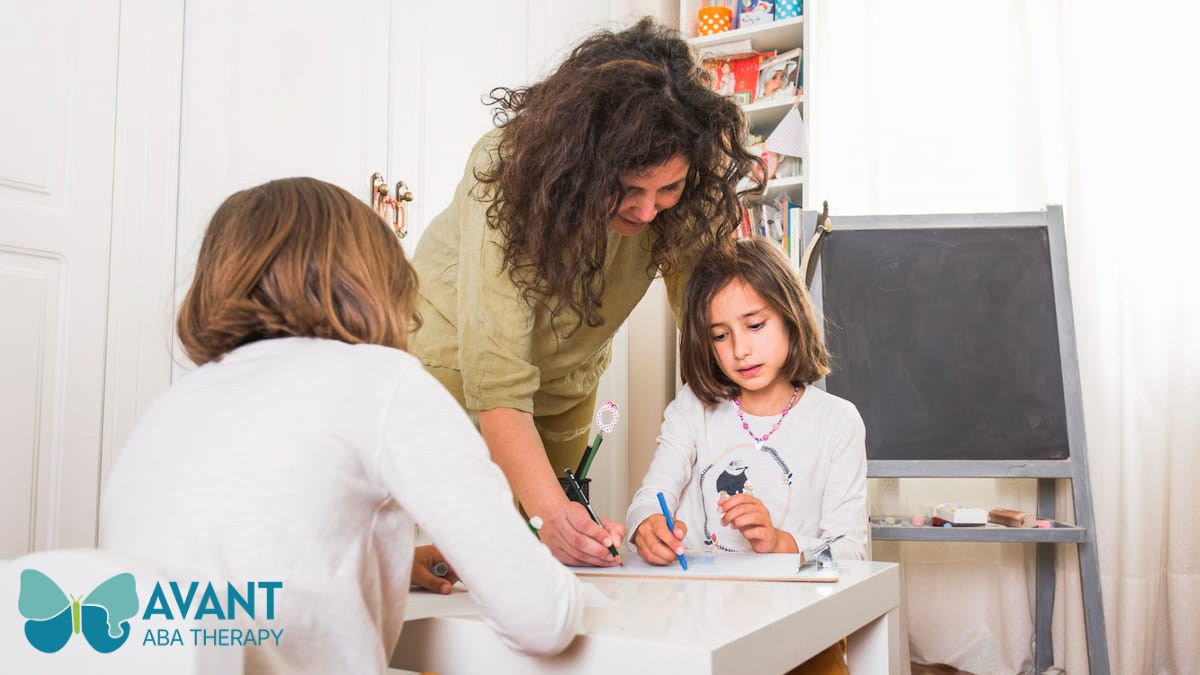
Your therapy team and your school team should talk. Or at least share notes. When everyone is using the same words, cues, and expectations, your child learns faster and feels less confused.
Ask for a meeting before school starts. Bring your therapist if possible. Share your child’s current goals and any successful strategies. If your child has an IEP or 504 plan, make sure the supports listed match real-life needs. Our home-based ABA team can help bridge those conversations.
Stay in touch through the first weeks. Quick emails. Brief check-ins. Notice patterns in how your child handles drop-off, lunch, recess, and pickup. Then adjust. Strong ABA programs in North Carolina stay flexible during this transition period.
The right early intervention ABA therapy for school readiness adjusts with your child week by week. Local ABA programs in North Carolina often coordinate directly with school teams to keep everyone aligned.
Frequently Asked Questions
At what age should we start school prep with ABA therapy?
The earlier the better. Many families start a year or two before school begins. Early intervention ABA therapy for school readiness is most effective during the toddler and preschool years, when foundational skills are easiest to build.
Will my child need an aide in the classroom?
That depends on your child’s needs. Some children thrive with full classroom inclusion. Others benefit from a one-on-one aide for part of the day. Your therapy team and school can help decide together.
How can I tell if my child is ready for school?
Look at the basics. Can they follow simple directions? Sit for short stretches? Tolerate new people? Use words or signs to ask for what they need? Readiness shows up in these small daily behaviours.
What if my child has a hard time the first few weeks?
This is normal. New routines take time to settle in. Stay in close contact with the school and your therapist. Tweak the plan as you learn what works. Good child routine planning through ABA gives you tools to adjust quickly.
Can ABA continue once school starts?
Yes. Many children benefit from ongoing home or community-based ABA therapy for school transitions alongside school. The two settings reinforce each other. Talk to your provider about how to coordinate hours through the school year.
Steady Steps, Smooth School Days
The road to school doesn’t have to feel rocky. With school readiness through ABA therapy, your child can step into the classroom feeling calm, capable, and curious. Small wins at home today shape easier mornings tomorrow, from sitting in circle time to making a first friend.
Avant ABA helps families prepare for big transitions with care and a real plan. Our therapists work alongside you to build the routines, skills, and confidence your child needs before that first bell rings.
Reach out to us to start building a smooth, steady path to school that works for your child and your whole family.