

Key Points:
- A calm, predictable space helps your child focus and feel safe during in-home sessions and family time at home.
- Small daily habits like clear cues, visual supports, and steady praise reinforce skills learned during therapy.
- Family involvement turns ordinary moments into learning chances and keeps your child’s progress moving all week.
Home should feel like a safe place for your child to grow. When your therapist leaves, the learning doesn’t have to stop. A solid home ABA therapy setup gives your child room to practise skills in the same spaces where life happens. That’s where real progress sticks.
You don’t need a fancy classroom or pricey equipment. What your child needs most is consistency, calm, and a little structure around the edges of their day. A few thoughtful changes can make your home feel ready for therapy without feeling like a clinic. Families exploring ABA therapy in North Carolina often start with simple home adjustments before sessions even begin.
In this guide, we’ll walk through how to set up your space, build small routines, and look at supporting a child during therapy at home. Many families exploring ABA therapy start with simple home adjustments. You’ll find practical in-home ABA therapy tips you can use today, even if your family is brand new to autism therapy at home.
Start With a Quiet, Predictable Corner
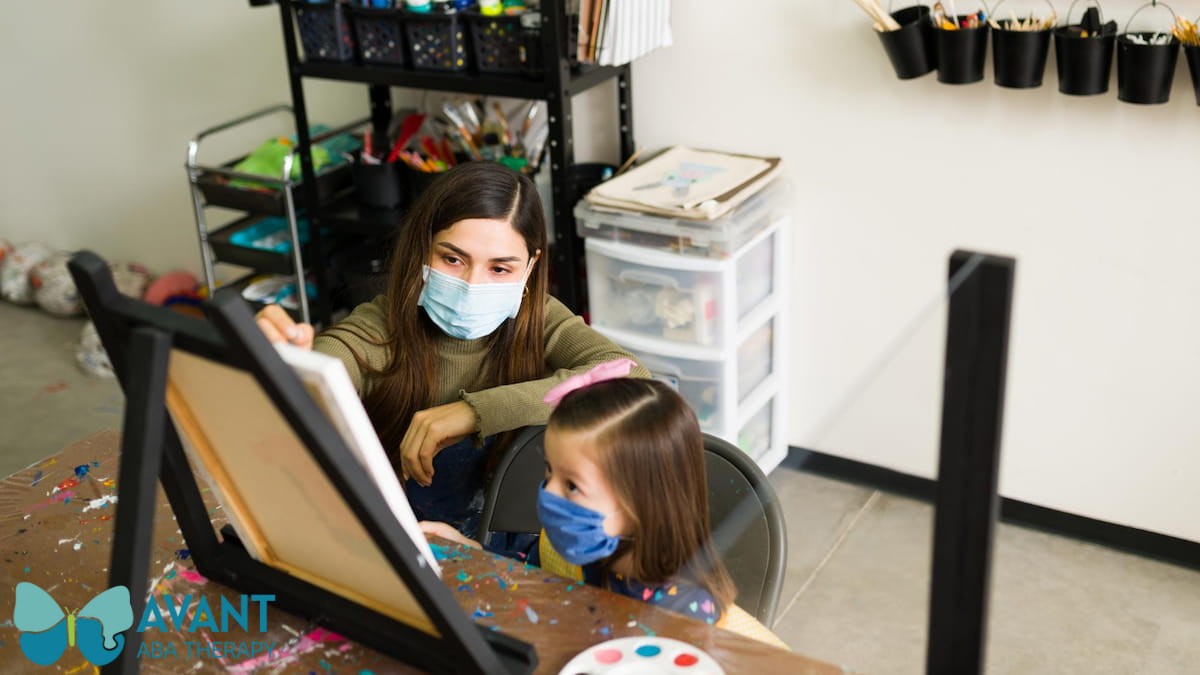
Pick one spot in your home for focused therapy work. It doesn’t need a door or a label. A corner of the living room works fine. What matters is that the space stays the same from day to day.
Keep that area free of toys your child finds distracting. Bright colours, ticking clocks, and loud TVs all pull attention away. Soft lighting and a low table go a long way. Your child should know what happens in that space.
Store materials in a clear bin nearby. Flash cards, sensory items, snacks, a few reinforcers. When everything is within arm’s reach, sessions flow better. That’s a small piece of the home ABA therapy setup that pays off fast. These small in-home ABA therapy tips make a big difference once your therapist starts visits.
A few quick wins for setting up your space:
- Use a low chair or floor cushion your child can sit on without help
- Keep visual supports at eye level for your child
- Stock a snack drawer with small, easy rewards
- Put one fidget item nearby in case your child needs a break
You can find more practical advice about in-home ABA therapy and what session work looks like inside your own four walls.
Build Daily Routines That Match Therapy Goals
Your therapist works on specific skills each week. Brushing teeth. Asking for water. Sharing toys. The trick is finding moments in your day that line up with those goals. That’s the heart of solid in-home ABA therapy tips that actually fit your real life. It’s also how autism therapy at home starts to feel like part of your normal rhythm instead of an extra job.
Use Visual Schedules
Kids on the autism spectrum often do better when they can see what’s coming. A simple picture schedule cuts down on meltdowns before transitions. You don’t need anything fancy. Even printed photos on a fridge can help.
Walk through the schedule with your child every morning. Point to each picture as you describe it. This builds language too, not just routine. Over time, your child may start checking the schedule on their own.
Try keeping schedules short. Three to five steps. Too much information overwhelms.
Keep Cues Simple and Consistent
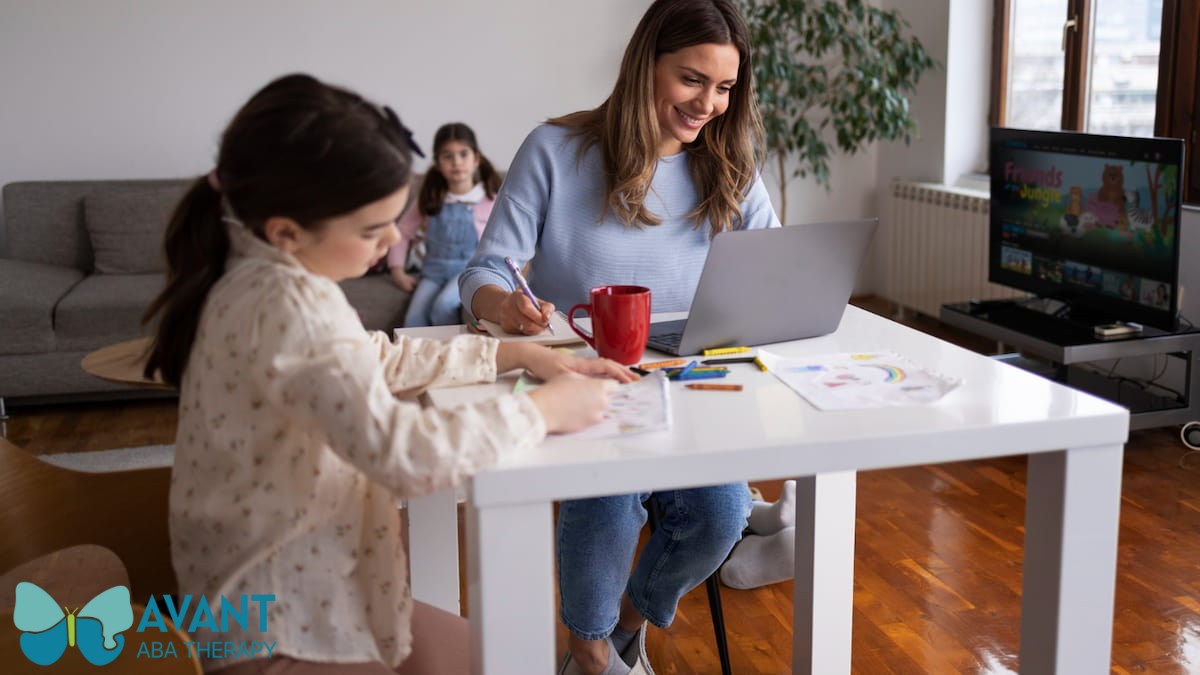
Use the same words for the same actions. If your therapist says “wash hands,” don’t switch to “let’s get clean.” Tiny word changes can confuse a child still learning the link between sound and action. Match the cues your therapist uses.
That consistency sits at the heart of strong parent guidance for ABA therapy. When the whole family uses the same phrasing, your child picks up skills faster. You can learn more about our team and approach and how we partner with parents through parent guidance for ABA therapy sessions.
Get the Whole Family on Board
Siblings, partners, even grandparents play a role here. Your child notices everything. If one person praises a behaviour and another ignores it, the signal gets muddy. Take ten minutes a week to share what your child is working on with anyone who spends time in your home.
You don’t need to turn relatives into therapists. Just give them two or three phrases to use and one or two behaviours to praise. Keep it simple. People follow through when the ask is small. This is supporting a child during therapy at home in its most natural form.
Easy ways to involve family members:
- Share a one-page cheat sheet of current goals
- Show them how to give specific praise like “Nice job asking for a drink”
- Let them join a few minutes of a session with the therapist’s okay
- Ask grandparents to use the same visual cues when babysitting
Want to know what a typical session looks like? Read our piece on how in-home ABA therapy supports your child. It walks through what to expect from week one onward.
Common Mistakes Parents Make at Home
Even the most well-meaning parents trip up. Knowing the usual snags helps you skip past them.
One big one: trying to be the therapist. Your job isn’t to run drills. Your job is to reinforce skills in real life. Leave the structured teaching to your provider, and use the moments between for gentle practice. Many parents find this shift in mindset is the start of supporting a child during therapy at home the right way.
Another mistake is giving in to meltdowns too quickly. We get it. Long days, tired bodies, and you just want the screaming to stop. But caving on a clear “no” teaches your child that meltdowns work. Stay calm, stay neutral, and wait it out when you can. Quality parent guidance for ABA therapy walks you through these moments, so you’re not winging it solo. You can also read our overview of home-based ABA care for more context.
Lastly, don’t compare your child to others. Every kid grows at their own pace. Early intervention support for autism moves the needle, but progress shows up differently for every family. Quality early intervention support for autism focuses on your child, not benchmarks.
Things to avoid:
- Don’t quiz your child outside of sessions
- Don’t bribe with rewards your therapist hasn’t approved
- Don’t rearrange the therapy space mid-week
- Don’t skip celebrations of small wins
If you’re new to all of this, our guide to the first in-home ABA therapy session in North Carolina is a good starting point.
How Local Providers Support Your Home ABA Therapy Setup
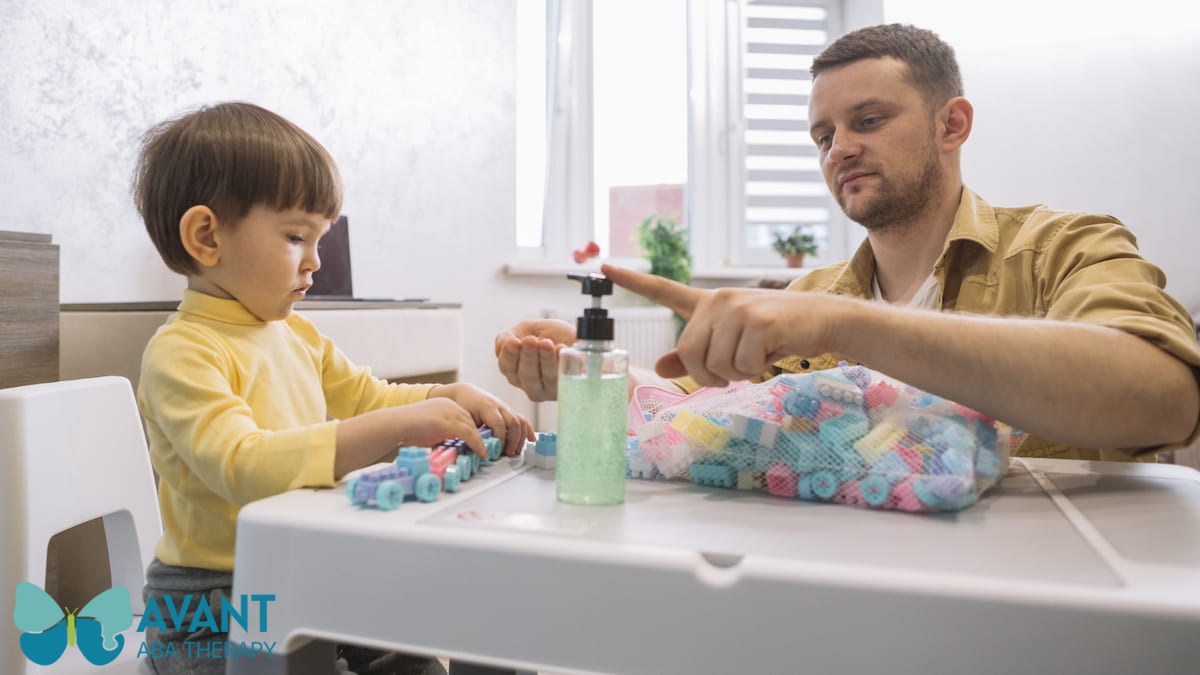
If you’re searching for the right team, look for a provider that values family involvement from day one. Strong ABA therapy programmes in North Carolina include parents in goal-setting and offer regular check-ins. That keeps you in the loop and gives your child a smoother experience.
Therapists who come to your home see the real environment your child lives in. That insight shapes better goals. You can read more about our professional ABA services and what to look for in a quality provider of ABA therapy in North Carolina.
The right team will also walk you through tools and strategies that fit your family. No two homes look the same, and your home ABA therapy setup should reflect your child’s needs, not a generic template. Strong early intervention support for autism leans on this kind of personal touch. For more reading, browse our full collection of family resources.
Frequently Asked Questions
Do I need a separate room for in-home ABA therapy?
No. A quiet corner with low distractions works fine. What matters more is consistency. Use the same spot, keep materials nearby, and protect that area from too much family traffic during sessions. A simple home ABA therapy setup beats a fancy one.
How long does it take to see results from therapy at home?
Every child is different. Some families notice small changes within weeks, especially with early intervention support for autism. Bigger skills like communication may take months. Patience and consistency carry the progress forward.
Can I run ABA sessions myself without a therapist?
You can reinforce what your therapist teaches, but you shouldn’t run sessions alone. ABA needs trained skill, especially for tricky behaviours. Your role is supporting a child during therapy at home, not leading the programme.
What if my child refuses to engage at home?
That’s common at first. Talk to your therapist about motivators. Sometimes shifting the time of day, adding a favourite item, or shortening sessions helps your child warm up to autism therapy at home over time. In-home ABA therapy tips from your provider can guide the change.
How involved should siblings be?
As much as feels natural. Brothers and sisters can join in play-based moments, model skills, or just be supportive. Don’t pressure them to take on a teaching role beyond their age or comfort level. Steady parent guidance for ABA therapy helps everyone find their spot.
Small Spaces, Big Strides for Your Child
Your home is where your child feels safest, and it’s where some of the biggest learning happens. A thoughtful home ABA therapy setup turns daily routines into real growth without making your home feel like a clinic. Small changes, like a quiet corner or steady cues from family, give your child space to build skills with confidence.
Avant ABA works closely with families across ABA therapy in North Carolina to shape home environments that support real progress. Our team brings warm, family-centred guidance, so every snack, bath, or bedtime can become a chance to practise.
Reach out to us today to learn how our team can help your family create a supportive setup that works for everyone.