

Key points:
- Mealtimes, baths, and bedtime hold quiet chances to build skills with ABA therapy daily routines at home that feel natural.
- Consistency, not complexity, drives results when reinforcing therapy goals between sessions and across your family’s busy week.
- Pairing your therapist’s plan with everyday moments creates real progress without adding pressure to your child’s schedule.
You don’t need extra hours in your day to support your child’s progress. The hours you already have hold real potential. Brushing teeth, eating breakfast, getting dressed. These small moments stack up. When you weave ABA therapy daily routines at home into the day you’re already living, your child practises skills without even noticing.
That’s the quiet power of routine. Repetition without pressure. Familiar settings without lectures. Your child sees the same steps, hears the same words, and slowly builds the links that lead to independence. Knowing how to reinforce ABA therapy at home is the heart of long-term progress.
This guide walks you through how to spot teaching moments in your routine, the small changes that make those moments stick, and how to keep things steady. We’ll also look at practical ABA therapy strategies that take five minutes, not fifty. For families starting, our ABA therapy services page is a solid first stop for understanding what care looks like.
Why Routines Work So Well for ABA
Kids on the autism spectrum often crave predictability. Routine offers that. It tells the brain what’s coming next, which lowers stress and frees up attention for learning. When stress drops, learning rises. Simple as that.
Routines also offer something therapists call generalisation, which means using a skill in different places with different people. If your child only practises asking for water during sessions, that’s where the skill stays. If you practise it at dinner, at the park, and at Grandma’s house, the skill grows roots. That’s child skill-building through ABA therapy in action.
Research from developmental science backs this up. Kids who get steady practice in natural settings make stronger gains. That’s why how to reinforce ABA therapy at home matters as much as the sessions themselves. Quality in-home autism support services lean on this principle every day, and the best ABA programs in North Carolina build early intervention guidance for autism right into parent training.
Routines work for three reasons:
- They lower anxiety with clear expectations
- They build muscle memory through repetition
- They open chances to practise across many settings
If you’d like to read more about session structure, our blog on in-home ABA therapy and your child is worth a look before your next family planning chat.
Spot the Teaching Moments You Already Have
You don’t have to invent new activities. You just have to notice the ones already on your schedule. Every routine has small steps where your child can practise. The trick is using ABA therapy daily routines at home you’re already running, without forcing anything new on top. Many of our ABA services lean on this exact approach.
Morning Routines
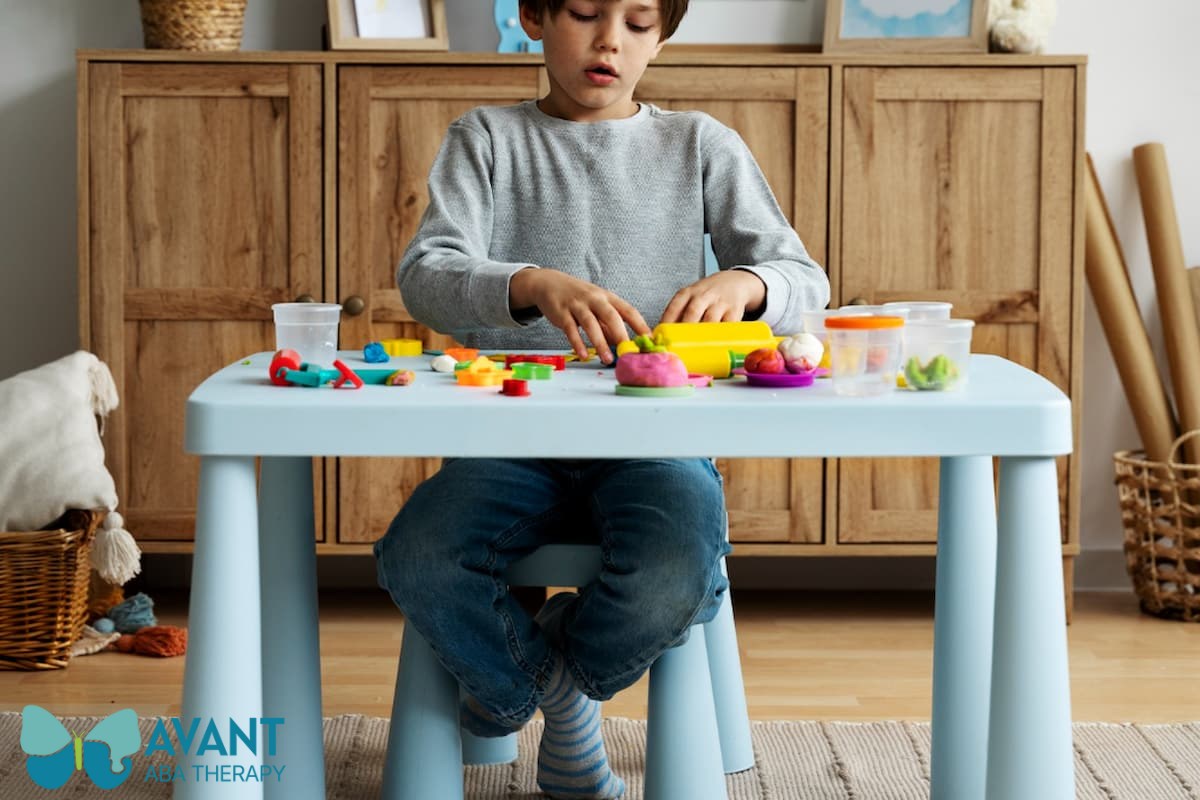
Mornings are gold. Tooth brushing teaches sequencing. Getting dressed builds independence. Putting on shoes works fine motor skills. Walk through each step out loud with your child. Use the same words your therapist uses.
If your child needs help, prompt gently and fade your help over time. You’re not doing the task for them. You’re guiding them toward doing it on their own. Patience matters here.
Mealtimes and Snacks
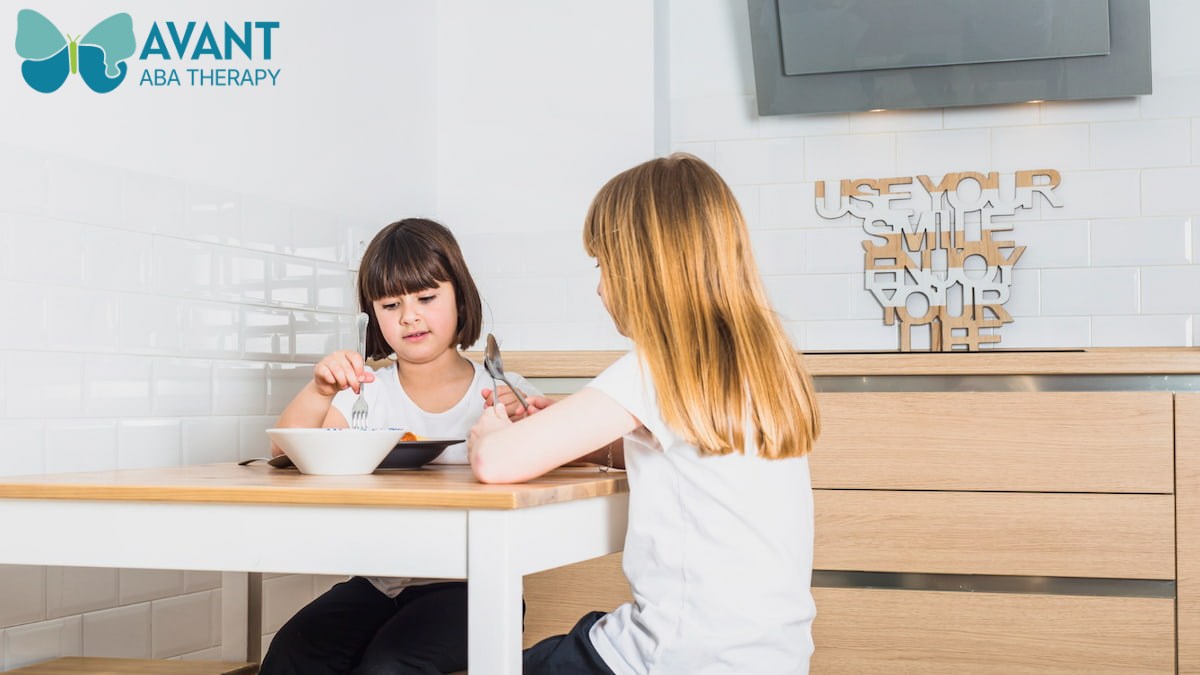
Food time is full of chances. Asking for “more” builds request skills. Choosing between two options practises decision-making. Setting the table strengthens motor and cognitive skills at once.
Try offering a snack in a sealed container your child needs help opening. That tiny pause invites a request. It’s a small example of practical ABA therapy strategies in action.
Use Simple Cues and Visual Supports

Visual supports are one of the most underrated tools in any home. A printed picture schedule, a chart of bath steps, a simple chart on the wall. These give your child a roadmap when words feel overwhelming.
Stick to what’s simple. Three to five steps at most. Use real photos if drawings confuse your child. Let your child move pieces or check off steps so they feel ownership.
Pair every visual with words. Say what’s happening as it happens. This builds language and supports child skill-building through ABA at the same time. Quality in-home autism support services make heavy use of these visual tools because they work.
A few visual tools that work in any home:
- A morning chart showing wake-up to school steps
- A choice board for snacks or activities
- A behaviour chart with one or two target goals
- A bedtime sequence card on the nightstand
Stay Consistent Without Being Rigid
Consistency is the secret sauce. Use the same words for the same steps. Praise the same way your therapist praises. Reward the same behaviours your team is tracking.
But don’t confuse consistency with rigidity. Life happens. Schedules shift. Days fall apart. The trick is keeping the cues steady even when the timing slides. This is one of the most practical ABA therapy strategies you can lean on during chaotic weeks.
If your child melts down at a change, don’t panic. Acknowledge the feeling. Use a visual to show what’s coming instead. Strong ABA programs in North Carolina train parents to handle these moments with calm and care. You can read more about our team and approach to family-first therapy.
What consistency looks like in real life:
- Same morning order each day
- Same bedtime cues every night
- Same praise phrases across family members
- Same rewards your therapist has approved
Track Progress Without Making It a Project
You don’t need spreadsheets. A short note in your phone after each day works fine. Did your child use a new word? Try a new food? Tolerate a transition without crying? Write it down. Send it to your therapist before your next visit.
This kind of casual tracking helps your provider tweak goals to match what’s really happening at home. It’s part of the loop that makes early intervention guidance for autism truly effective in the long run. Steady early intervention guidance for autism relies on parents and therapists swapping notes often. Honest tracking also fuels real child skill-building through ABA therapy week after week.
Don’t track everything. Pick two or three goals at a time. Trying to log it all turns parenting into paperwork, and that helps no one. For families curious about session structure, the first in-home ABA therapy session in North Carolina is a good read. Strong in-home autism support services rest on clear notes between you and your provider, plus more articles on our blog page.
Building Skills Through Bedtime and Bath Time
Evenings hold quiet teaching moments too. Bath time can be a chance to practise body part names, asking for items, and following simple steps. Bedtime stories build attention and language. Putting away toys teaches sequencing and shared responsibility. These small routines layer into ABA therapy daily routines at home without adding any new chores to your night.
Keep the same order each night. Bath, pyjamas, brush teeth, story, bed. Predictability lowers resistance. Your child knows what’s coming, and the night flows. That same calm rhythm carries into the next morning, and the cycle keeps going. The best ABA programs in North Carolina coach families on these end-of-day routines because they shape the whole day’s mood.
Add one small skill to each step if you can. Asking for a towel during bath. Pointing to a body part as you dry off. Choosing a story. Tiny invitations to engage build skills you’ll see grow over weeks, not days. Our team approach walks parents through these routines step by step.
Frequently Asked Questions
How long should I spend reinforcing skills at home each day?
There’s no set number. Short, frequent moments beat long sessions. Even five minutes during a routine adds up. Focus on quality over minutes. Steady ABA therapy daily routines at home beat scheduled drills any day.
What if my child refuses to follow a routine?
Some pushback is normal. Try shortening the routine, adding a favourite step, or using a visual schedule. If refusal continues, talk to your therapist about adjusting goals or motivators with your child.
Should I use rewards at home, or only during sessions?
Use rewards your therapist has approved. Praise costs nothing and works wonders. Save bigger rewards for harder tasks. Avoid bribing during meltdowns, which can reinforce the very behaviour you want to reduce.
Can older children benefit from routine-based ABA work?
Yes. Older kids often work on self-help skills like cooking or laundry. Knowing how to reinforce ABA therapy at home with older children means using chores, homework, and bedtime for natural skill practice.
How do I know if routines are actually working?
Look for small signs. Less prompting needed. Fewer meltdowns at transitions. New words or actions you didn’t see before. Quiet progress, not big leaps, is what child skill-building through ABA therapy delivers over time.
Tiny Routines, Towering Wins
The day you’re already living is full of teaching moments. From breakfast to bedtime, ABA therapy daily routines at home turn ordinary tasks into real progress without adding hours to your schedule. Quiet consistency builds skills that stick, in the places your child knows best.
Avant ABA helps families across North Carolina weave therapy goals into everyday life. Our team guides parents step by step, so you can support your child without feeling like you’ve added another full-time job to your plate.
Reach out to us and discover how our family-first approach can make every routine a stepping stone toward your child’s next big win.